








Hot Sale 🤩 Artengo TR960 Control Tour Tennis Racket 16X19 (unstrung), Gaël Monfils 🛒
Original price was: $159.00.$91.99Current price is: $91.99.
- Fast and Secure Payments
- Free Shipping over $25
- Excellent customer service online in a timely manner
- Fast reliable delivery options

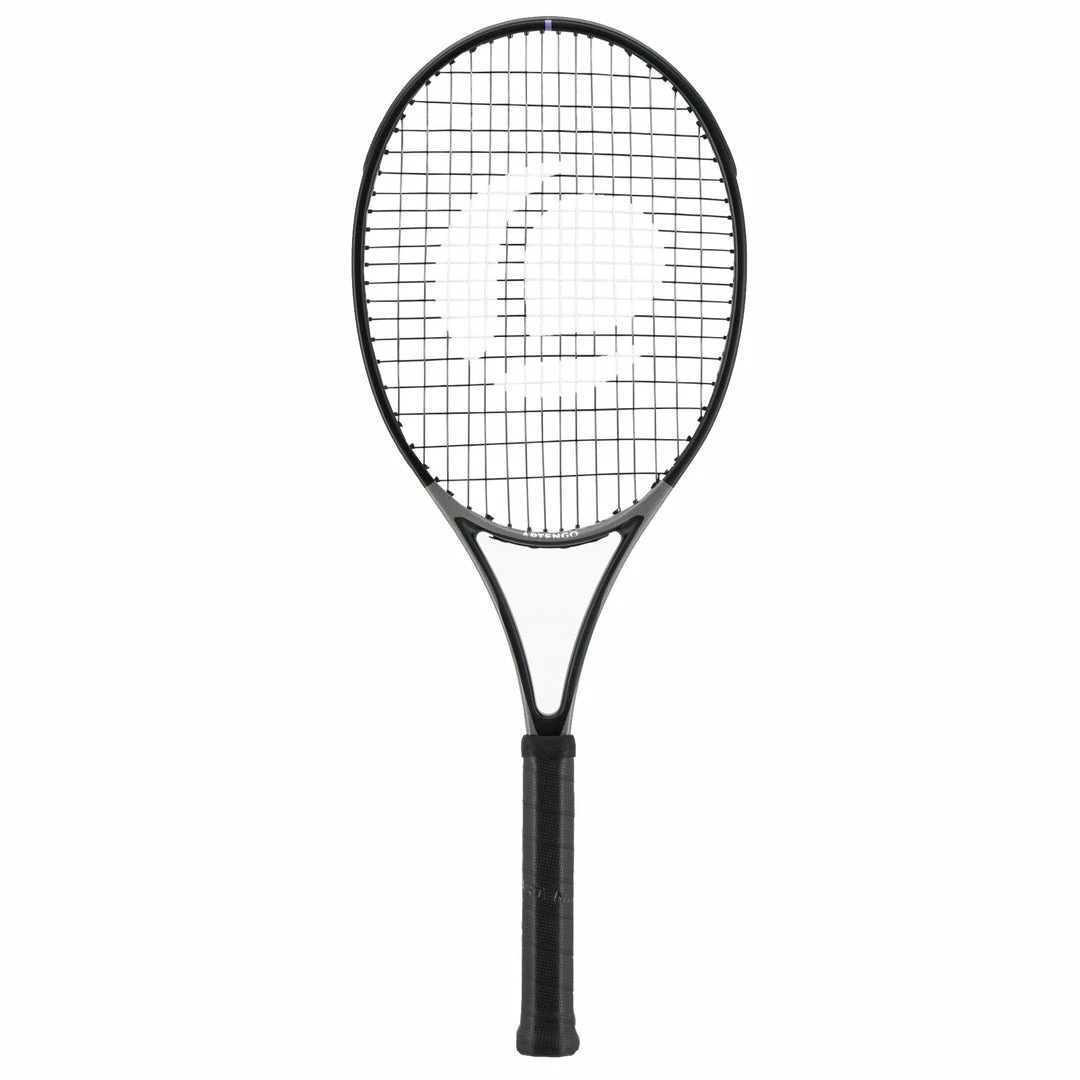
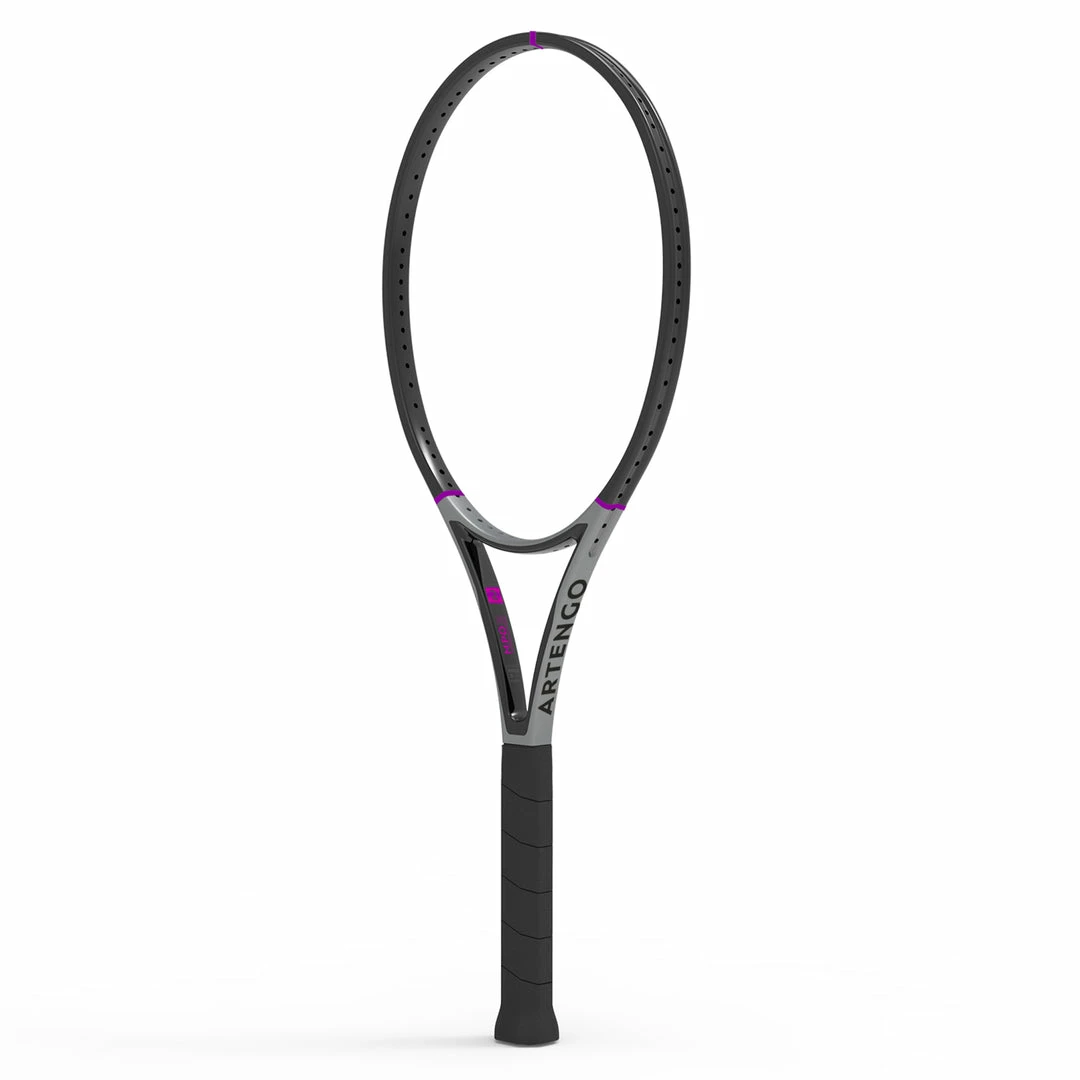
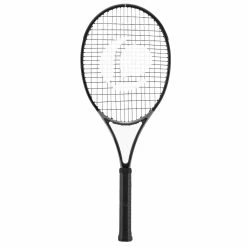
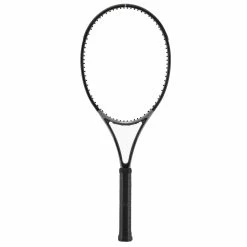
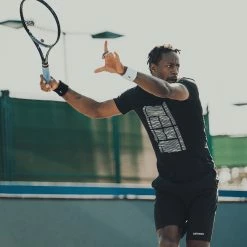
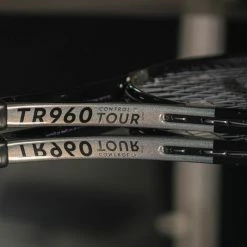
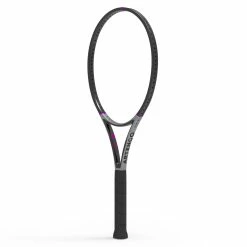
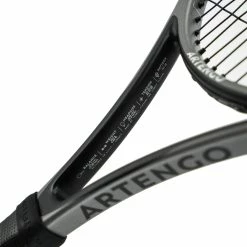
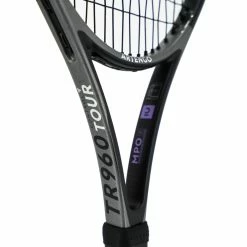
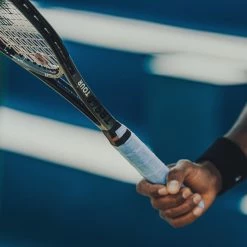
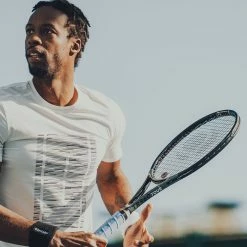
Meet the TR960 Control Tour racket, the racket of choice by France’s top professional tennis player, Gaël Monfils. Together, Gaël Monfils and the Artengo team have worked on a new design, featuring a thin profile and flexible frame to deliver optimum control and performance. Racket sold unstrung.
Our designers have developed this racket in collaboration with Gaël Monfils for advanced players looking for control.
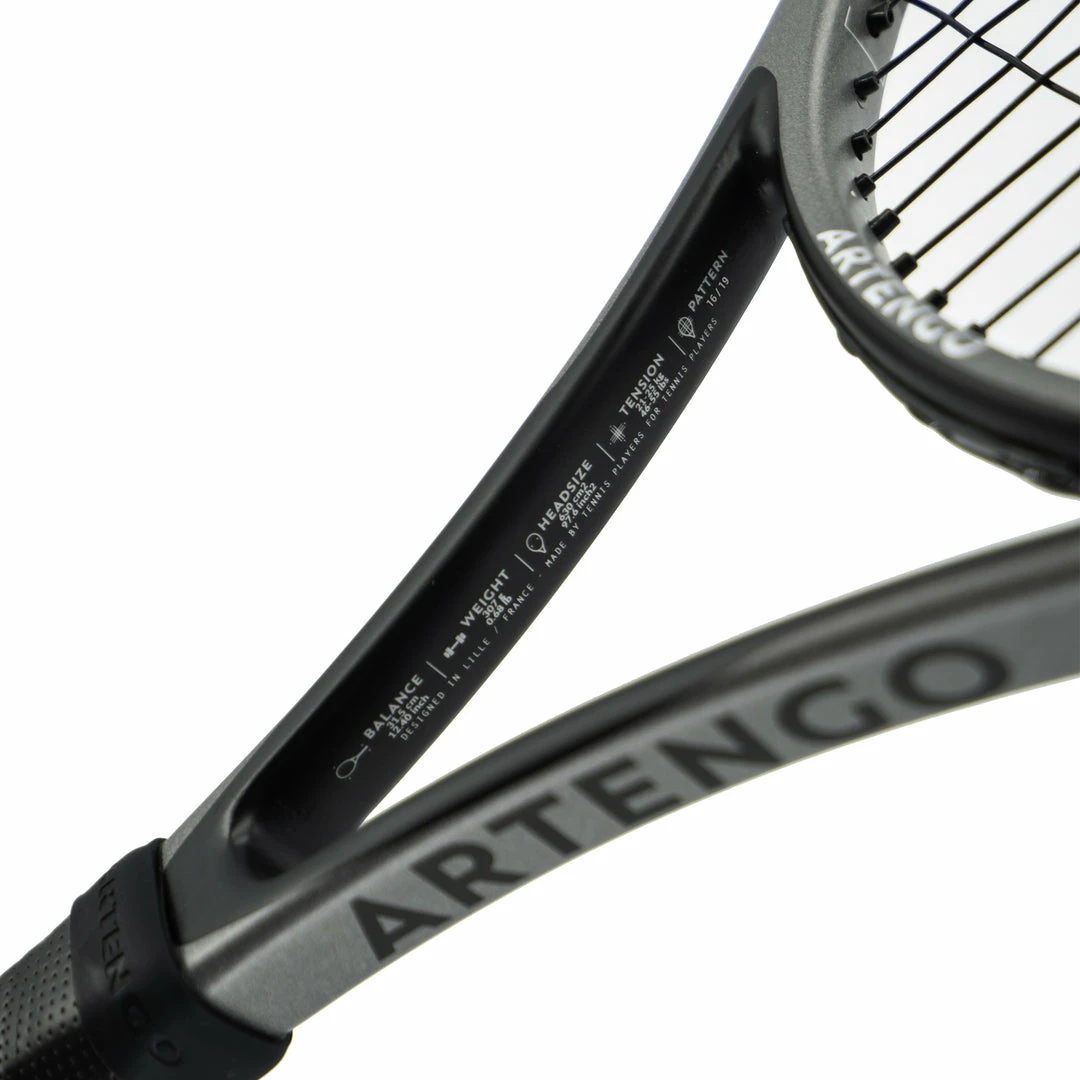
Weight (unstrung racket)
10.8 oz
Weight: Measured in ounces. Just like balance point and length, the weight impacts a racket’s swing-weight and therefore its maneuverability, stability and ability to transfer energy to the ball (power). The heavier the racket, the more power you’ll get, but the harder it will be to handle. The lighter the racket, the easier it will be to handle, but the trade-off is less power.
Balance (unstrung racket)
12.4″
Balance: This is the racket balance point, measured in inches from the bottom of the shaft. The higher the number (head heavy), the more powerful and stable upon impact the racket will be. However, it will also be harder to maneuver. The smaller the number (grip biased or handle heavy), the easier the racket will be to handle, but you’ll have less power and stability.
Head size
98 in²
Head size: This is the surface area of the racket head size measured in square inches. It has an impact on the racket’s forgiveness and power. The larger the head size, the more powerful and forgiving it is, but the downside is less control. The smaller the head size, the more control you’ll get, but you’ll have to sacrifice power and forgiveness.
RA
65 Ra
Ra: This refers to the racket’s stiffness, i.e. how much it bends under the impact of the ball. The stiffer the racket (the higher the Ra), the less it bends. The energy lost on impact is minimized and returned to the ball via the strings. Generally, a stiffer racket offers greater power.
Swing weight (unstrung racket)
SW = 285
Swing weight: This indicates how easy a racket is to handle and its ability to transfer energy to the ball (power). The higher the swing weight, the more powerful the racket, but also the harder it will be to handle. Conversely, the lower the swing weight, the easier the racket will be to handle, but the trade-off is less power. The swing weight is derived from a combination of the racket weight, balance, and length.
Stringing:
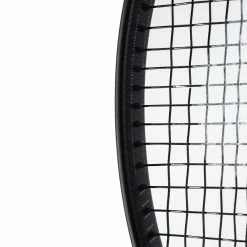
16 x 19
String pattern: This is the number of mains (vertical strings) x the number of crosses (horizontal strings). The more strings the pattern has, the more “closed” it is; the fewer it has, the more “open” it is. A more closed string pattern offers a greater feeling of control, but less power and spin. A more open string pattern provides more power and spin, but less control.
Length
27″
Length: This is the length of the racket from the bottom of the grip to the top of the head. It is measured in inches. The longer the racket, the more power you’ll get, but the flip side is that it will be harder to handle. The shorter the racket, the easier it will be to maneuver, but you’ll have to give up power.
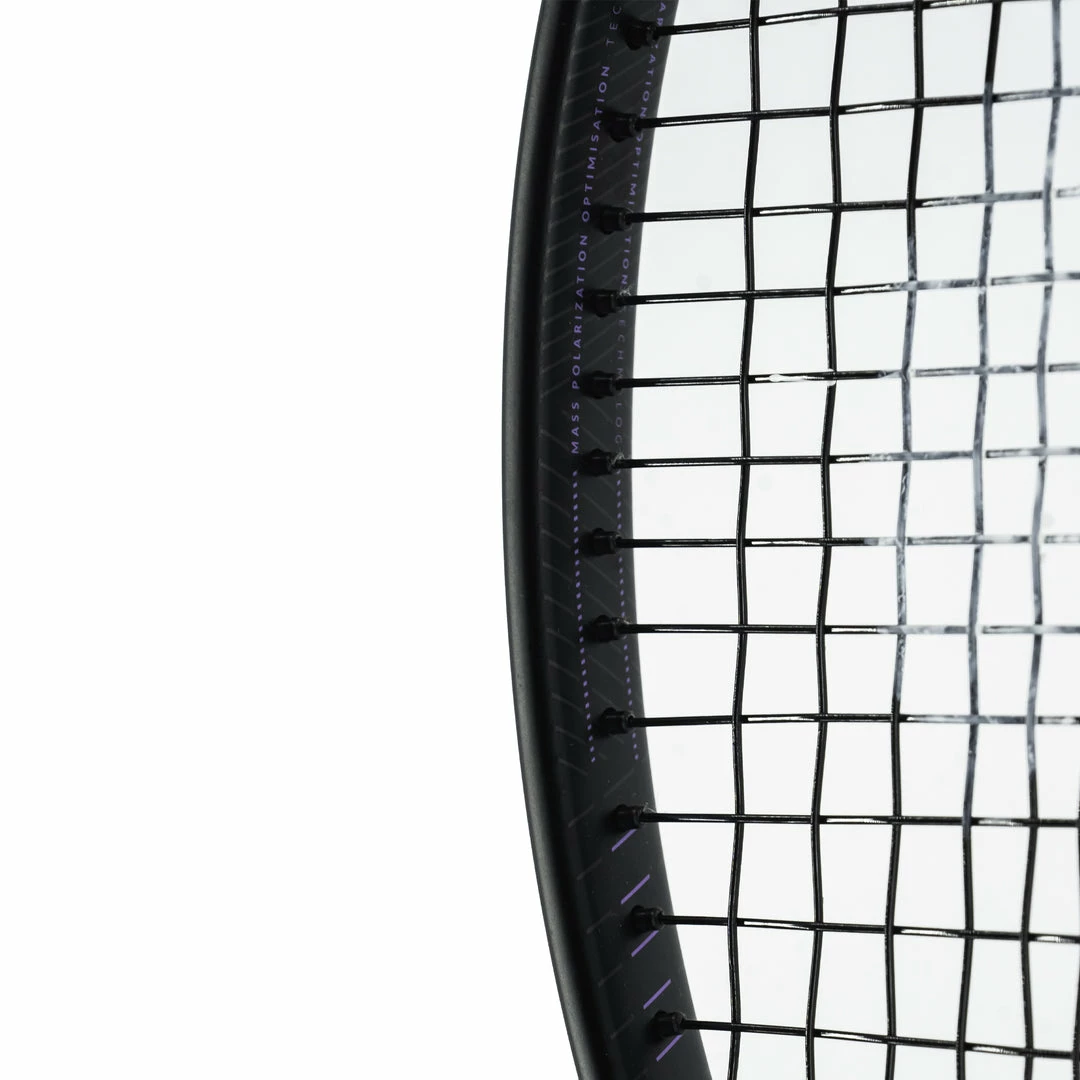
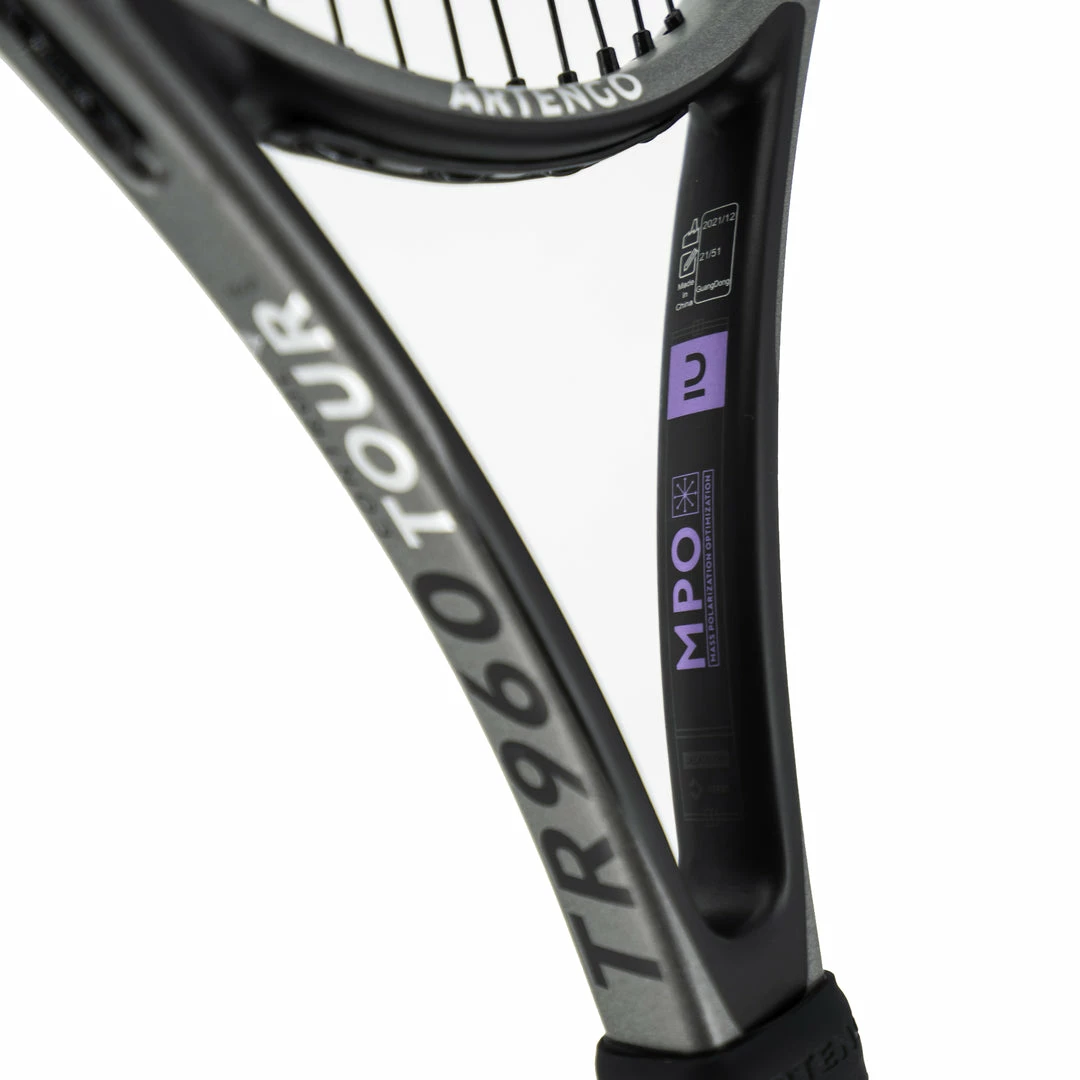
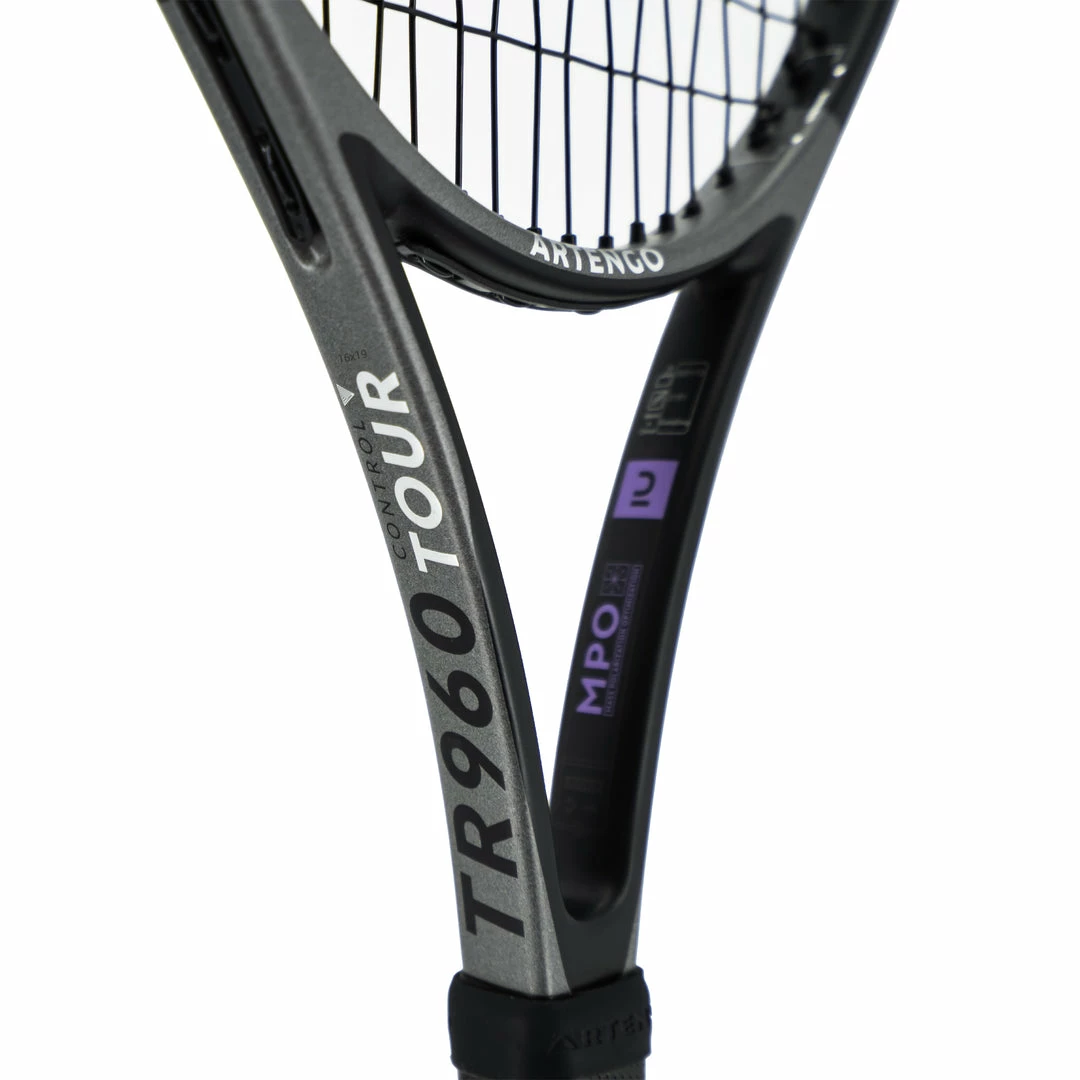
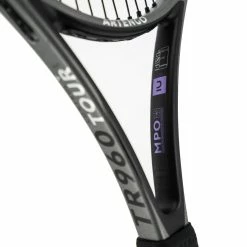
MPO technology
Mass Polarization Optimization (MPO): Mass is distributed inside the racket for an optimal balance between handling and stability on impact.
This technology also reduces fabrication tolerance on the weight and balance by 40%. This helps create consistent rackets that meet final specs and usage conditions.
Spin Concept technology
The Spin Concept technology on the racket grommets improves string movement at the time of ball impact, increasing spin.
HMC
High modulus carbon makes the racket stiffer.
| Color | Black |
|---|---|
| Size | GRIP 2 – 4 1/4", GRIP 3 – 4 3/8", GRIP 4 – 4 1/2" |
Be the first to review “Hot Sale 🤩 Artengo TR960 Control Tour Tennis Racket 16X19 (unstrung), Gaël Monfils 🛒”
Related products



Reviews
There are no reviews yet.